Leadership Starts on the Inside
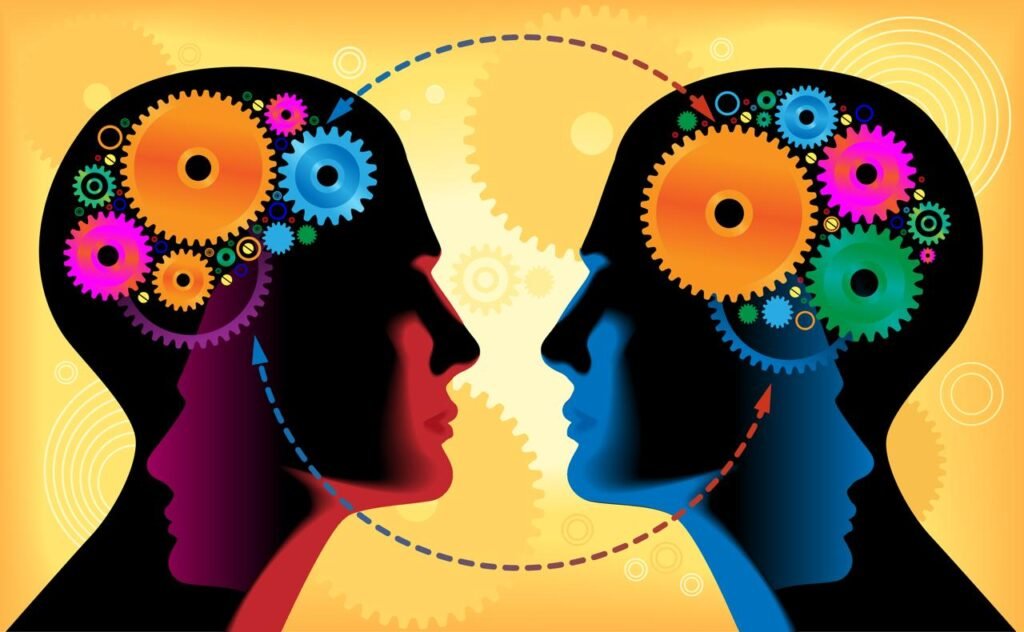
Behind every decision, conversation, and leadership behavior is an emotional state shaping your perception and what’s possible in that moment.
I help leaders make permanent shifts in their internal state—how emotions they may not even be aware of influence their body, thinking, and behavior—so strategy is no longer something they force, but something that works because it’s aligned with how they actually operate under pressure. This includes helping leaders move out of chronic stress patterns and into a more regulated nervous system, where focus, judgment, and leadership presence are consistently available.
Your body is constantly communicating with you—adjusting, signaling, and attempting to guide you long before anything becomes a crisis. Often it’s not obvious or dramatic. It may show up as persistent tension, low-grade fatigue, difficulty settling your mind, or small physical signals that are easy to ignore. Most people notice pain, but miss the quieter cues they experience every day. I help leaders learn to understand this internal language so they can respond earlier, more intelligently, and with far less effort.
The result is clearer thinking, stronger presence, and leadership that holds under real-world pressure—often unlocking growth that allows them to double or even triple profits while operating beyond what they previously believed was possible.
This shift shows up in very real ways: improved team performance, cleaner decision-making, healthier boundaries, and results that finally match their capability.
Emotions: The Missing Link Between Insight and Impact
Emotions are not abstract or intangible—they are biological signals that shape how we think, decide, communicate, and lead.
Neuroscientist Candace Pert demonstrated that emotions are carried through the body via neuropeptides, meaning emotional states are experienced throughout the nervous system—not just in the brain. This has direct implications for energy, stress response, clarity, and resilience.
When the nervous system is chronically dysregulated, leaders often experience it in subtle but costly ways. For example:
- Over-preparing, over-working, or replaying conversations long after they end, even when you are highly competent
- Shutting down or second-guessing yourself in high-stakes moments, despite knowing what you want to say or do.
These patterns are not character flaws or mindset issues—they are physiological states driving behavior.
Psychologically, emotions shape perception and choice. They determine what we notice, how we interpret events, and whether we respond with confidence and creativity—or contraction and self-protection. Emotional intelligence builds awareness, but awareness alone doesn’t always create change.
This is where my work bridges disciplines.
Drawing from the research of physician and consciousness researcher David Hawkins, we also examine how different emotional states expand or limit cognitive access, decision-making capacity, and leadership presence. Some states narrow options and reinforce survival-based habits; others support strategic thinking, influence, and composure.
In my work, emotions are treated as data—signals that reveal what’s happening beneath performance and leadership behavior. By working at the intersection of physiology, psychology, emotional awareness, and nervous system regulation, clients learn how to create lasting internal shifts that directly improve how they lead, decide, and perform.
When emotional state changes, capacity changes. And when capacity changes, leadership performance—and profitability—follow.